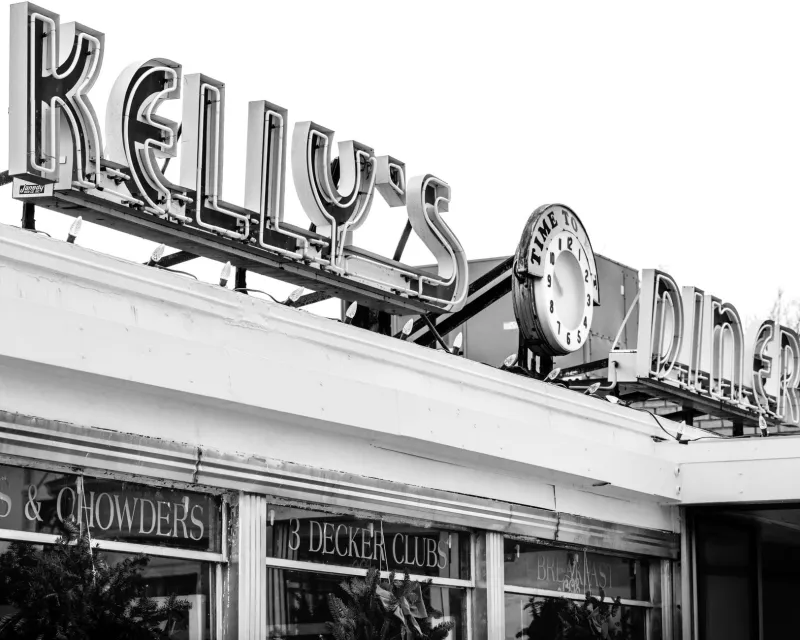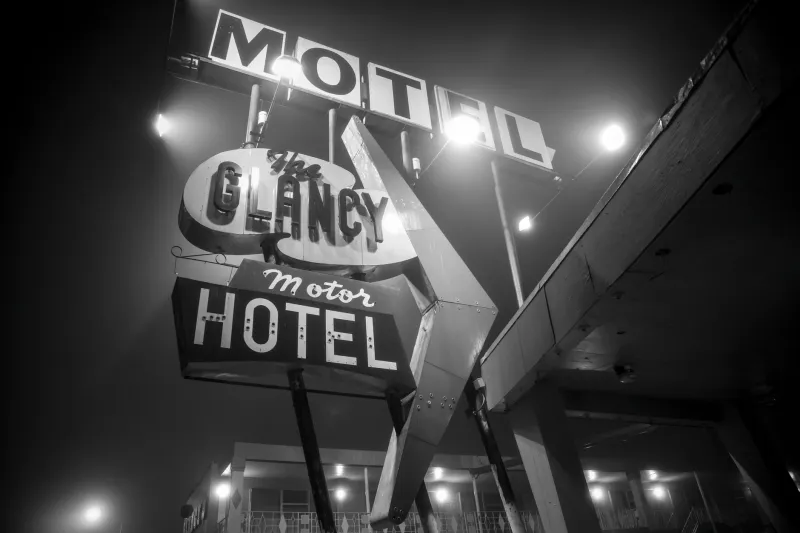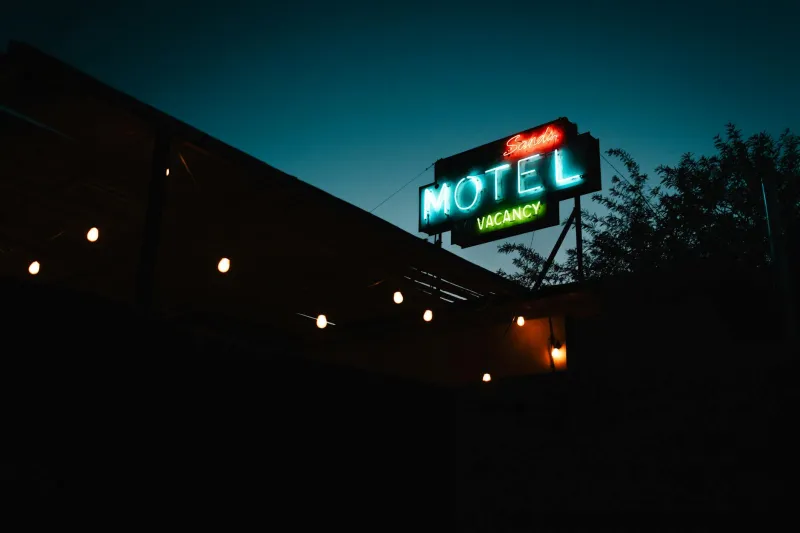
The Snobbish Hotels That Accidentally Built America's Highway Culture
When fancy hotels refused to serve dusty motorists in the 1920s, they accidentally created the roadside motel—and with it, the entire culture of American road trips.
Category
10 articles
When fancy hotels refused to serve dusty motorists in the 1920s, they accidentally created the roadside motel—and with it, the entire culture of American road trips.
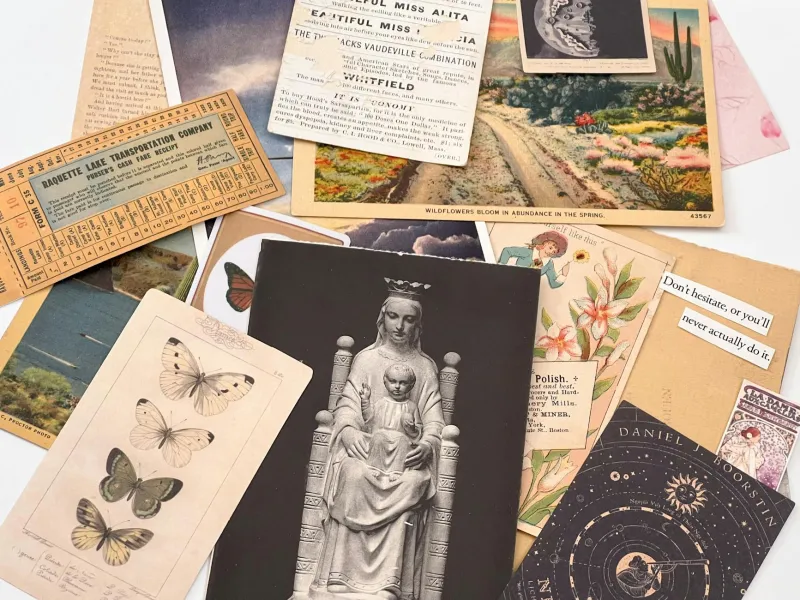
Before Americans sent birthday cards, they sent death announcements. The elaborate Victorian mourning cards that notified neighbors of deaths created the printing infrastructure, mailing habits, and card formats that greeting card companies later transformed into a celebration industry worth billions.
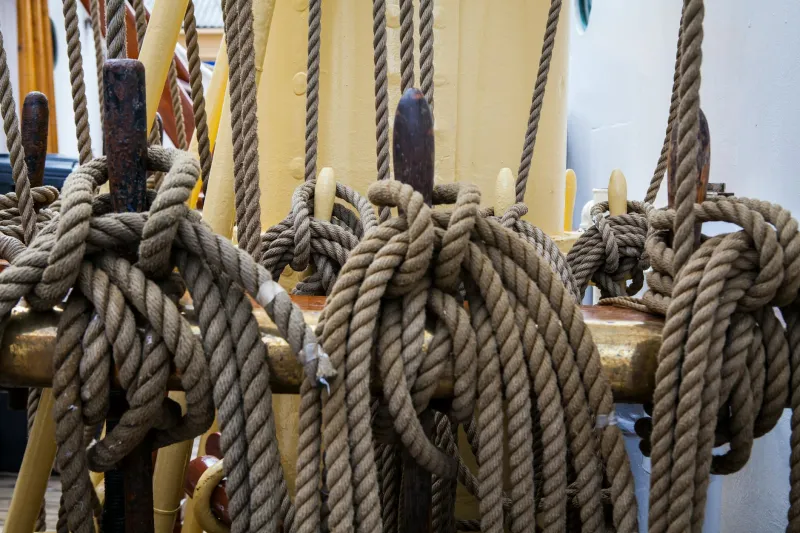
The phrase "tying the knot" and the tradition of lover's knots trace back to lonely sailors practicing rope work during months at sea. These maritime tokens of affection evolved into one of America's most enduring symbols of romance and commitment.
Before Alexander Graham Bell and Thomas Edison's public disagreement over telephone etiquette, Americans had no standard way to begin conversations. Their bitter argument over whether to say 'ahoy' or 'hello' accidentally created the greeting that now defines human communication.
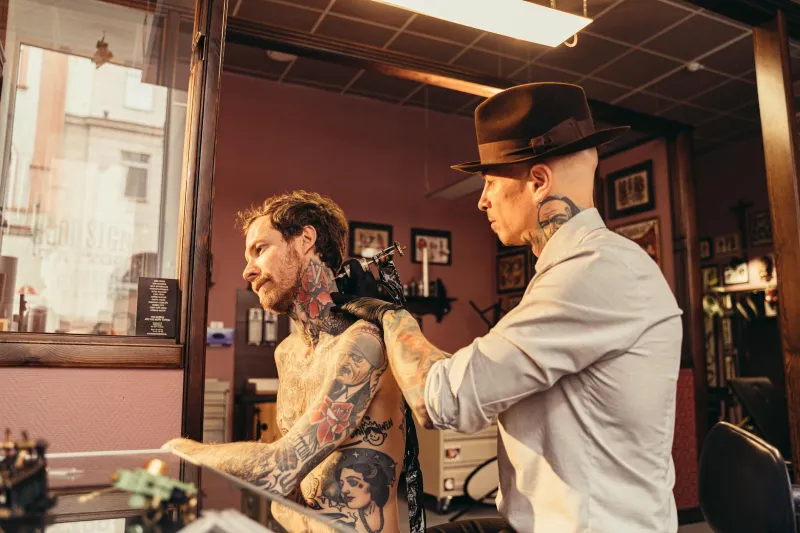
Before the 18th century, tattoos were virtually unknown in America. Then sailors returning from Pacific islands introduced a Polynesian art form that would eventually become a $1.6 billion industry and a defining element of American self-expression.
Before 1920, Americans didn't worry about bad breath. Then Listerine's ad team weaponized a forgotten medical term to create one of the most successful fear-based marketing campaigns in history.
A British nobleman's refusal to leave his card game in 1762 accidentally created what would become America's $20 billion sandwich industry. The Earl of Sandwich's gambling addiction led to a food innovation that quietly revolutionized how an entire nation eats lunch.
You probably said 'OK' before you finished your morning coffee today. It might be the single most recognized word on earth. But its origin isn't ancient — it was born from a deliberate spelling mistake in a Boston newspaper in 1839, then accidentally turbocharged by a presidential campaign. The story behind the world's most casual expression is anything but.
It's probably the first word you said today and the last one you'll say tonight. But 'OK' didn't come from ancient language roots or some long-forgotten trade route — it came from a newspaper joke in 1839 Boston, and it almost disappeared entirely before a presidential election saved it.
Every time you raise a glass and clink it against someone else's at a birthday dinner, a wedding reception, or a Friday night happy hour, you're re-enacting a ritual with roots in a world where that gesture might have saved your life. The tradition of toasting goes back centuries, and some of its most compelling origin theories involve poison, paranoia, and the very real possibility that your dinner host wanted you dead. Cheers to that.